
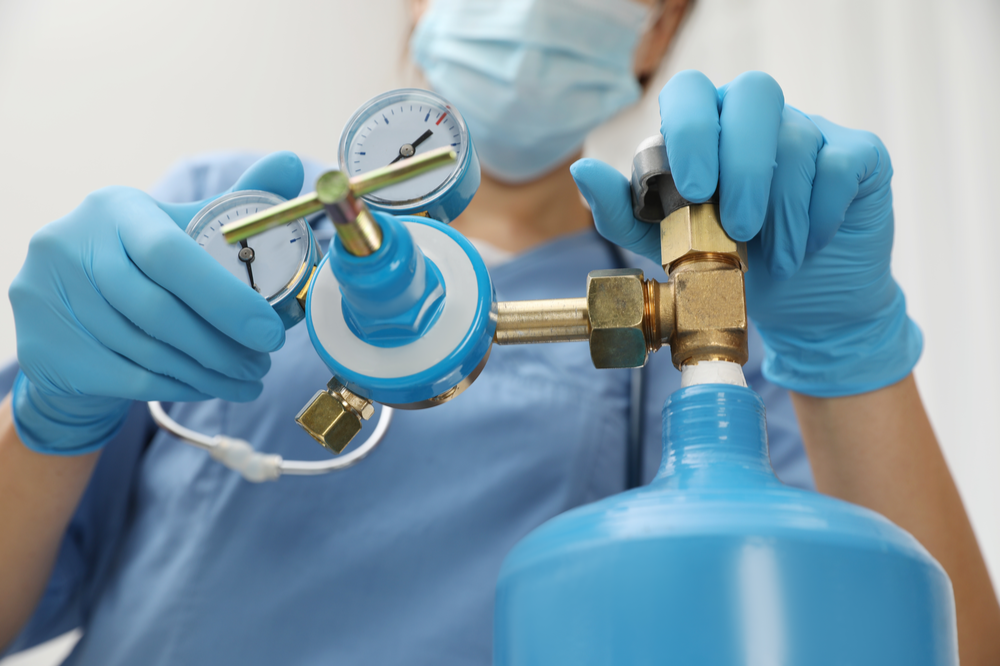
Understanding Two Essential Medical Gases
Medical air and medical oxygen are among the most essential gases used throughout healthcare facilities. From emergency departments and operating rooms to intensive care units and outpatient clinics, these gases support a wide range of medical treatments and respiratory therapies. Although they may appear similar as both are delivered through medical gas systems, they serve very different clinical purposes and should never be used interchangeably.
Understanding medical air vs oxygen is critical for healthcare providers, facility managers, and anyone responsible for maintaining safe hospital operations. Each gas has unique properties, production methods, safety considerations, and regulatory requirements that directly impact patient care. Selecting the appropriate gas depends on the patient’s condition, the medical equipment being used, and the prescribed treatment.
This guide explores the differences between medical oxygen, medical grade oxygen, and medical air, explaining when each is used, how they are produced, and why proper handling and compliance are essential. By understanding these distinctions, healthcare facilities can improve patient safety, maintain regulatory compliance, and ensure reliable delivery of life-supporting gases.
What Is Medical Oxygen?
Medical oxygen is a highly purified therapeutic gas containing at least 99% oxygen and is manufactured according to strict United States Pharmacopeia (USP) standards. As it is administered to treat medical conditions, medical oxygen is regulated as a prescription drug by the U.S. Food and Drug Administration (FDA). Patients experiencing low blood oxygen levels, known as hypoxemia, rely on medical oxygen therapy to improve oxygen delivery throughout the body. Healthcare providers prescribe oxygen for numerous conditions, including Chronic Obstructive Pulmonary Disease (COPD), pneumonia, asthma exacerbations, respiratory distress, trauma, and heart failure.
Medical oxygen is commonly delivered through centralized hospital pipelines, oxygen concentrators, or medical oxygen cylinders, depending on the healthcare setting. It also plays an essential role during surgery, emergency response, intensive care, neonatal care, and mechanical ventilation. Since medical grade oxygen directly affects patient treatment, purity testing, storage, handling, and delivery systems are carefully monitored to ensure every patient receives the prescribed oxygen concentration safely.
What Is Medical Air?
Medical air is purified compressed air that closely resembles the composition of atmospheric air, containing approximately 21% oxygen and 78% nitrogen, along with trace gases. Unlike ambient air, however, medical air undergoes extensive filtration, drying, purification, and continuous monitoring to meet strict healthcare quality standards. Many hospitals generate medical air onsite using specialized compressor systems rather than purchasing it from outside suppliers. These systems remove contaminants such as moisture, oil, particulates, and microorganisms before the air enters the facility’s distribution network.
Medical air supports numerous respiratory therapies and medical devices. It powers ventilators, anesthesia machines, nebulizers, incubators, and other equipment requiring clean compressed air without elevated oxygen concentrations. Since medical air closely mirrors normal atmospheric conditions, it is often used when patients require respiratory support without supplemental oxygen. Continuous monitoring ensures purity and pressure remain within regulatory standards, making medical air a dependable component of modern medical gas systems.
Medical Air vs. Oxygen: Quick Comparison
| Feature | Medical Air | Medical Oxygen |
|---|---|---|
| Composition | Approximately 21% oxygen | 99%+ oxygen |
| Primary Purpose | Respiratory support and equipment operation | Oxygen therapy and treatment of hypoxemia |
| Production | Generated onsite through compressors | Supplied via bulk systems, concentrators, or medical oxygen cylinders |
| Storage | Air receivers and compressors | Bulk liquid tanks and cylinders |
| Fire Risk | Similar to atmospheric air | Strong oxidizer that accelerates combustion |
| Regulation | NFPA 99 and air quality standards | FDA, USP, and NFPA 99 |
| Common Uses | Ventilators, nebulizers, anesthesia | ICU, surgery, emergency medicine, oxygen therapy |
Difference #1: Composition and Purity
One of the biggest distinctions in medical air vs oxygen is their composition. Medical oxygen consists of nearly pure oxygen, typically exceeding 99% purity. This elevated concentration enables clinicians to rapidly increase oxygen delivery to patients whose blood oxygen levels have fallen below safe thresholds.
Medical air, by comparison, maintains essentially the same composition as the air people normally breathe. The difference is that medical air has been carefully filtered, dried, and purified to remove contaminants while maintaining strict healthcare-grade quality standards.
These differences directly influence clinical decision-making. Administering pure oxygen to a patient who does not require it may increase the risk of oxygen toxicity over time, while providing only medical air to a patient with severe hypoxemia could result in inadequate oxygenation.
Since oxygen concentration significantly impacts patient outcomes, healthcare facilities follow rigorous purity testing protocols. Both medical air and medical grade oxygen must consistently meet established standards before entering patient care environments. Continuous monitoring helps verify gas quality while protecting patients from contamination or
Difference #2: How Medical Air and Oxygen Are Produced
Production methods represent another major difference between medical air and oxygen. Medical air is usually generated onsite. Compressor systems draw in ambient air, which then passes through multiple filtration stages to remove oil, water vapor, particles, and microorganisms. Dryers reduce moisture levels, while monitoring systems continuously verify air quality before the gas enters hospital pipelines.
Medical oxygen follows a very different supply chain. Many hospitals purchase oxygen from specialized manufacturers that separate oxygen from atmospheric air through cryogenic distillation. The oxygen is then delivered as liquid oxygen to bulk storage tanks or supplied in medical oxygen cylinders. Smaller healthcare facilities may also utilize oxygen concentrators that extract oxygen directly from ambient air.
Generating medical air internally often provides hospitals with greater operational efficiency while reducing transportation and delivery costs. Oxygen, however, requires sophisticated production processes that make external suppliers the preferred source for most healthcare facilities. Reliable infrastructure ensures both gases remain continuously available for patient care, even during emergencies or peak demand periods.
Difference #3: Clinical Applications
Although both gases support respiratory care, their clinical applications differ substantially. Medical oxygen is prescribed whenever patients require oxygen concentrations above normal atmospheric levels. It treats hypoxemia caused by respiratory illnesses, cardiac conditions, trauma, or surgical complications. In intensive care units, patients receiving mechanical ventilation often require carefully controlled oxygen concentrations based on continuous monitoring.
Emergency departments administer medical oxygen during cardiac arrest, severe asthma attacks, shock, and respiratory distress. Surgical teams depend on oxygen throughout anesthesia procedures, while neonatal intensive care units carefully regulate oxygen delivery for premature infants. Medical air serves a different purpose. Rather than treating oxygen deficiency, it provides clean compressed air for respiratory equipment and therapeutic devices. Ventilators frequently utilize medical air when patients require breathing assistance without excessive oxygen supplementation. Nebulizers use medical air to deliver aerosolized medications efficiently. Anesthesia machines rely on medical air as part of blended gas delivery systems.
Medical air also supports respiratory therapy equipment throughout hospitals, outpatient surgery centers, and long-term care facilities. In neonatal care, clinicians frequently blend medical air with oxygen to achieve precise oxygen concentrations that minimize complications associated with excessive oxygen exposure.
Together, medical air and medical oxygen provide healthcare professionals with the flexibility needed to tailor respiratory treatment to each patient’s unique medical condition.
Why Hospitals Use Medical Air Instead of Oxygen in Some Situations
A common misconception is that higher oxygen concentrations are always better. In reality, excessive oxygen can sometimes cause harm. Long-term exposure to elevated oxygen levels may contribute to oxygen toxicity, lung injury, and complications in vulnerable patient populations. Premature infants are particularly susceptible to retinal damage associated with prolonged exposure to excessive oxygen concentrations.
Using medical air allows clinicians to provide respiratory support without unnecessarily increasing oxygen exposure. In many cases, ventilators and respiratory devices combine medical air with oxygen to achieve individualized oxygen concentrations that meet each patient’s needs. This balanced approach improves patient safety while reducing risks associated with over-oxygenation.
How Medical Air and Oxygen Work Together
Modern respiratory care often depends on blending medical air and oxygen rather than relying exclusively on one gas. Ventilators, anesthesia machines, and respiratory therapy devices mix both gases to achieve precise Fraction of Inspired Oxygen (FiO₂) levels. Clinicians can adjust oxygen concentrations based on patient age, diagnosis, respiratory status, and blood oxygen measurements.
For example, one patient may require only slightly elevated oxygen concentrations, while another needs nearly pure oxygen during critical illness. Blended delivery provides flexibility that would not be possible using either gas alone. This precision helps optimize respiratory therapy while minimizing unnecessary oxygen exposure. Properly maintained medical gas systems ensure accurate blending and dependable delivery throughout healthcare facilities.
Safety Considerations: Medical Air vs. Oxygen
Safety protocols differ significantly between medical air and oxygen. Medical air behaves similarly to purified atmospheric air and presents relatively low fire risk. However, contamination from moisture, oil, or particulates can compromise air quality and damage medical equipment, making routine maintenance essential.
Medical oxygen is not flammable itself but acts as a powerful oxidizer that dramatically accelerates combustion. Materials that burn slowly in normal air may ignite rapidly in oxygen-rich environments.
Healthcare facilities implement strict fire prevention measures, including proper cylinder storage, leak detection, ignition source control, and employee training. Medical oxygen cylinders must be secured to prevent tipping and protected from excessive heat. Routine inspections, pressure monitoring, preventive maintenance, and emergency response procedures help minimize risks associated with both gases while ensuring uninterrupted patient care.
Storage and Distribution Systems
Hospitals utilize sophisticated infrastructure to distribute both gases safely. Medical oxygen commonly arrives through bulk liquid oxygen tanks that feed centralized pipeline systems. Smaller facilities may depend on medical oxygen cylinders or oxygen concentrators as primary or backup supplies. Medical air is generated onsite through compressor systems equipped with filtration units, dryers, receivers, and monitoring equipment before entering dedicated pipelines.
Redundant compressors, reserve oxygen supplies, alarm systems, and automatic switchover capabilities help ensure continuous gas availability. Continuous monitoring quickly identifies pressure changes, equipment failures, or purity concerns before patient care is affected. Reliable medical gas systems remain essential for healthcare operations around the clock.
Compliance and Regulatory Standards
Both medical air and medical grade oxygen are subject to rigorous regulatory oversight. Healthcare facilities follow NFPA 99 requirements governing medical gas system installation, maintenance, testing, and inspection. Medical oxygen additionally complies with FDA regulations and USP purity standards because it is classified as a therapeutic drug.
Routine verification includes pressure testing, purity analysis, alarm testing, pipeline inspections, and preventive maintenance. Facilities must also maintain documentation supporting compliance with accreditation organizations and regulatory agencies. Ongoing environmental monitoring helps verify system performance and air quality while identifying issues before they impact patient care. Learn more about comprehensive environmental monitoring services that support healthcare compliance.
Common Problems Healthcare Facilities Encounter
Medical gas systems require ongoing maintenance to prevent operational disruptions. Common challenges include compressor failures, moisture contamination, clogged filters, pressure fluctuations, oxygen supply interruptions, alarm malfunctions, and declining air purity. Even minor system issues can affect sensitive respiratory equipment and compromise patient safety.
Preventive maintenance programs include routine inspections, filter replacement, calibration, leak detection, purity verification, and emergency preparedness testing. Comprehensive testing helps healthcare facilities identify developing problems early, reducing unexpected downtime while supporting regulatory compliance and uninterrupted patient care.
Frequently Asked Questions
Is medical air the same as oxygen?
No. Medical air contains approximately 21% oxygen, while medical oxygen contains more than 99% oxygen.
Can medical air replace oxygen?
No. Medical air cannot substitute for prescribed oxygen therapy when patients require elevated oxygen concentrations.
Why do hospitals generate medical air onsite?
Onsite production allows hospitals to maintain a reliable, continuous supply while meeting healthcare quality standards and reducing dependence on external deliveries.
Is oxygen safer than medical air?
Each gas has unique safety considerations. Medical air presents lower fire risk, while oxygen requires stricter handling because it accelerates combustion.
What happens if a patient receives the wrong gas?
Receiving an incorrect gas can lead to inadequate treatment or serious medical complications. Proper labeling, testing, and monitoring help prevent accidental cross-connections.
Why are both gases needed in hospitals?
Medical air and oxygen serve complementary roles. Medical air powers respiratory equipment and supports blended therapies, while medical grade oxygen treats patients requiring increased oxygen concentrations.
How Evergreen Medical Supports Medical Gas Compliance
Maintaining reliable medical gas infrastructure requires specialized expertise and ongoing attention to regulatory requirements. Evergreen Medical helps healthcare facilities support compliance through medical gas testing, preventive maintenance, air quality assessments, system inspections, and ongoing performance verification. Whether evaluating existing medical gas systems, performing routine compliance testing, or supporting facility accreditation efforts, experienced professionals help identify potential issues before they affect patient care. Learn more about Evergreen Medical’s comprehensive medical gas systems services and how proactive maintenance supports safe healthcare operations.
Conclusion: Understanding the Difference Protects Patients
Understanding medical air vs oxygen is essential for delivering safe, effective healthcare. Although both gases are fundamental components of modern hospitals, they perform distinctly different functions. Medical oxygen provides therapeutic treatment for patients experiencing low oxygen levels, while medical air supplies purified compressed air for respiratory equipment and carefully controlled blended therapies.
Differences in composition, production, storage, safety requirements, and clinical applications make each gas indispensable in its own way. Proper maintenance, routine testing, regulatory compliance, and continuous monitoring ensure these systems remain dependable whenever patients need them most. Healthcare organizations that invest in reliable infrastructure, preventive maintenance, and compliance programs strengthen patient safety while supporting uninterrupted clinical operations.
If your facility is evaluating its medical gas infrastructure, conducting compliance testing, or planning preventive maintenance, working with experienced specialists can help ensure safe and reliable operations.
To learn how Evergreen Medical can support your facility’s medical gas compliance needs, contact us today.