
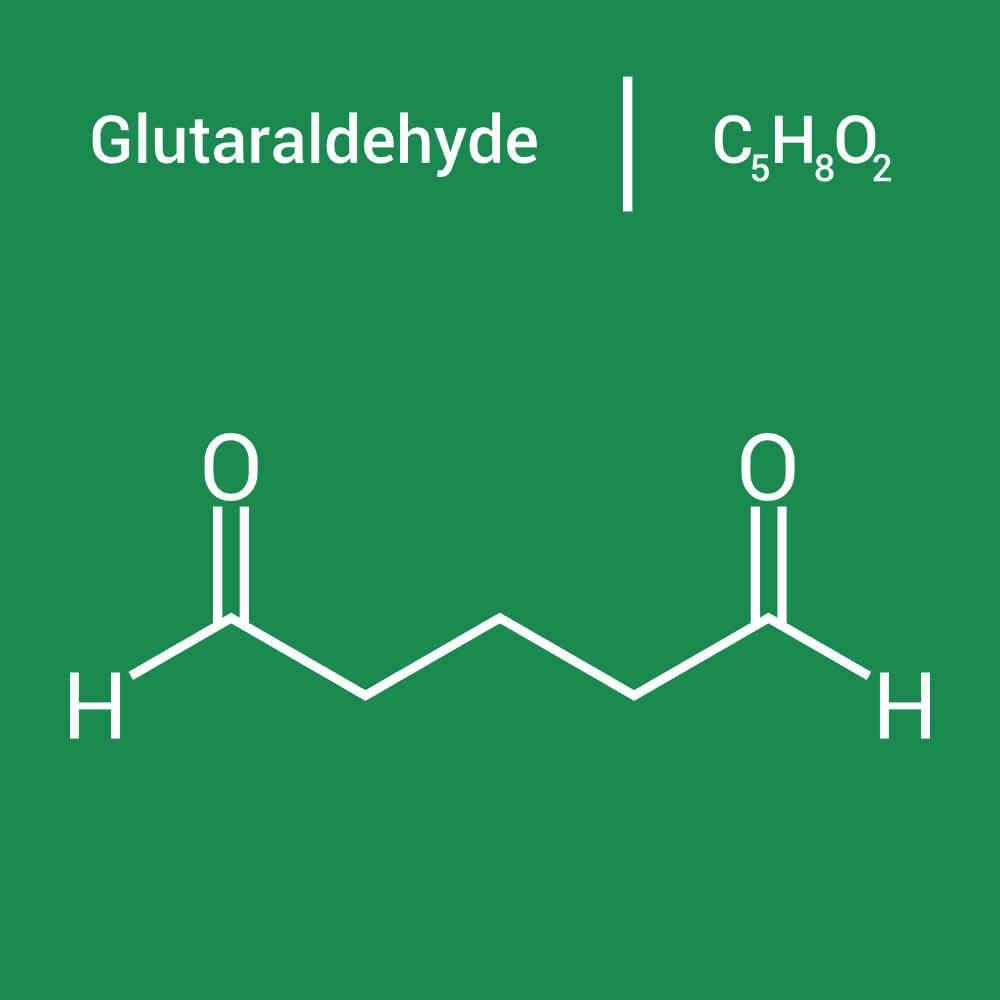
What Is Glutaraldehyde?
Glutaraldehyde is a high-level disinfectant, used primarily for medical devices that cannot endure heat disinfection. Some key devices that this potent product is used to disinfect include bronchoscopes, endoscopes and dialysis equipment.
How Glutaraldehyde Works
Glutaraldehyde works by chemical cross-linking. In essence, this works to destroy microorganisms by disrupting proteins and cell structures. This mechanism of action involves key aspects like reactive aldehyde groups, protein cross-linking and then immobilization and death of the cell. The solution must also be activated to reach its full spore-killing capability. This is done by activating the pH to slightly alkaline (approximately 7.5-8.5).
Common Uses in Healthcare
As mentioned above, glutaraldehyde is a potent cold sterilant that is often utilized within the healthcare field for high-level disinfection and sterilization of heat-sensitive medical devices and tools. Since it effectively destroys viruses, fungi and bacteria without damaging delicate components like rubbers, lenses and plastics, glutaraldehyde is often utilized to clean and disinfect the following:
- Endoscopes: Endoscopes, which can include bronchoscopes, gastroscopes and more, are disinfected using glutaraldehyde because it can effectively penetrate the intricate channels but does not degrade the delicate optic materials.
- Surgical Instruments: While some surgical instruments can withstand sterilizing heat disinfection, some cannot. When it comes to dental and surgical instruments like arthroscopes or specific respiratory therapy equipment, heat will compromise them via steam autoclaving, making glutaraldehyde a common alternative.
- Dialysis Equipment: The hemodialysis equipment has internal pathways and components throughout its machinery. Glutaraldehyde is a consistent and reliable disinfectant for these components and makes the machine safe for the next patient to use.
- Lab Tools: Another common healthcare use of glutaraldehyde is to act as a highly effective tissue fixative in pathology labs. Tissue fixation helps tissue keep its shape and structure, also known as morphology, so it can be properly examined under a microscope. Glutaraldehyde can also act as a hardening agent in medical imaging.
Step-by-Step Guide for Proper Use
Glutaraldehyde can be a highly toxic chemical sterilant that demands step-by-step instructions guiding proper usage. Following is a look at how to safely utilize this sterilant.
- Prepare Solution: The first step of this intricate process is preparing the solution. First, proper protective equipment (PPE) should be worn, including chemical-resistant gloves. If using a two-part system, activate the glutaraldehyde base by adding the activator and shaking the solution well, until it turns the color specified by the manufacturer. Check the concentration daily using glutaraldehyde test strips to ensure that minimum effective concentration (MEC) is maintained. Then, record the date of activation and the expiration date on the container itself and the logbook.
- Immerse Instruments: The next step is to make sure instruments are washed thoroughly, have been decontaminated and are dry. Dry with a lint-free towel to remove any remaining water that can dilute the solution. Place instruments in the activated solution, making sure all internal lumens and channels are fully flushed and filled. Then, cover immediately using a secure lid to prevent evaporation or hazardous vapor release.
- Follow Contact Time: Maintain the correct soak or contact time. Follow manufacturer-specific contact times; required durations vary by formulation and intended level of disinfection or sterilization.
- Rinse: Remove instruments using sterile forceps or tongs, then rinse the tools or equipment by immersing in sterile filtered water, based on facility protocol. Discard water after every rinse to prevent cross-contamination.
- Store: Dry completely by allowing instruments to air dry or setting on a sterile tray and using sterile compressed air to dry. Place instruments in clean, sterile pouches or cover in dry, sterile containers. For glutaraldehyde itself, ensure the storage area is well-ventilated and adheres to manufacturer’s guidelines for suggested reuse and expiration dates.
Safety Risks
- Respiratory Irritation: One of the most common problems associated with glutaraldehyde is respiration irritation, caused by inhaling vapors. This can trigger wheezing, coughing, nosebleeds and shortness of breath. Repeated or prolonged exposure to glutaraldehyde can cause occupational asthma or exacerbate pre-existing respiratory conditions.
- Skin Reactions: Skin burns, browning or tanning of the skin and other skin issues can be caused or exacerbated by glutaraldehyde exposure. This can include contact dermatitis that results in skin dryness, redness, cracking or flaking. It can also cause an immune-mediated response or sensitization that can develop and can cause hives, rashes or fluid-filled blisters.
- Occupational Hazards: Healthcare professionals who work in operating rooms and endoscopy, especially, along with laboratory personnel are at the highest risk for occupational hazards through overexposure to glutaraldehyde.
Required Safety Precautions
The risks of using glutaraldehyde should not be minimized, but neither should they be exaggerated. Thankfully, when following proper guidelines, a great deal of the risk can be mitigated. The following is a look at the required safety precautions that will make working with glutaraldehyde safer:
- Personal Protective Equipment: This includes wearing gloves that are impervious to chemicals like butyl rubber and nitriles. It also includes donning body protection like eye and face protection, such as splash goggles and face shields, along with fluid-resistant, long-sleeved lab coats or a chemical-resistant apron. Closed-toe, non-absorbent shoes should also be worn.
- Ventilation: Working with glutaraldehyde should be done in a room with proper ventilation, which may adequate local exhaust ventilation designed to control vapor exposure. Also present should be a chemical fume hood or a dedicated local exhaust duct to capture the vapors when released.
- Closed Systems: Another way to protect against injury when utilizing glutaraldehyde is by working in an enclosed system. This means when mixing, pouring and activating glutaraldehyde, it is done only in an enclosed or automated reprocessing system.
- Exposure Control: Control of exposure limits should be considered. The National Institute for Occupational Safety and Health NIOSH recommends an exposure limit, with a ceiling concentration of 0.2 ppm
Storage & Handling
- Sealed Containers: Make sure that any glutaraldehyde solution is always stored in an airtight container made of either glass, polyethylene or other compatible material to prevent product degradation and vapor release.
- Proper Labeling: Label all primary and secondary solution containers in compliance with Globally Harmonized System (GHS) standards. This should include hazard warnings for corrosivity, toxicity and respiratory sensitization.
- Minimal Exposure: Keep soaking stations and baths enclosed or covered to minimize vaporization. Pour solution gently and always follow the safety guidelines outlined above.
- Temperature Considerations: Glutaraldehyde solution should be stored in a cool, dry and well-ventilated area, away from direct sunlight and extreme heat. Elevated temperatures can accelerate decomposition and increase vapor release, compromising product efficacy.
Compliance Standards
- OSHA Guidelines: OSHA’s Hazard Communication Standard applies universally to glutaraldehyde. This includes maintaining up-to-date Safety Data Sheets, providing mandatory worker training related to health hazards and spill procedures, and safe handling and implementing air monitoring programs.
- Workplace Glutaraldehyde Exposure Limits: OSHA does not have permissible exposure limits that are enforceable pertaining to glutaraldehyde. However, all facilities must adhere to the limits set by other health organizations and regulatory bodies to protect workers. ACGIH recommends a ceiling limit of 0.05 ppm, NIOSH recommends a limit of 0.2 ppm and Cal/OSHA enforces a limit of 0.2 ppm within the state of California.
- Facility Protocols: Effective ventilation combined with isolation are the primary defense against harmful glutaraldehyde vapors. All facilities should include proper ventilation, containment areas and eyewash stations.
Best Practices
- Staff Training: Staff training is immensely important in keeping employees safe when using glutaraldehyde. This includes staff training on emergency response and handling as well as correct PPE usage.
- Monitoring Exposure: Vapor levels should always be monitored to keep a handle on glutaraldehyde exposure for all employees exposed in any way to glutaraldehyde.
- Using Enclosed Systems: All facilities should utilize enclosed systems, including local exhaust ventilation and enclosed soaking stations, fume hoods, negative pressure rooms and more to keep glutaraldehyde vapors contained.
Contact Us at Evergreen Medical Services
At Evergreen Medical Services, we recognize that ensuring safe glutaraldehyde safety monitoring requires careful attention and expertise. Our team supports healthcare facilities with guidance, testing and service solutions, including comprehensive support for medical gas systems. Please consult with us for safe handling tips for glutaraldehyde solution and compliance support to meet necessary guidelines.