
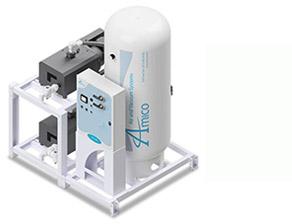
Why Medical Air Matters
Medical air is a vital, life-sustaining and life-supporting utility in healthcare facilities all across the nation. Purified air, which is compressed to meet stringent standards, is essential for ventilators, respiratory care, anesthesia, surgery and for respiratory therapy through the use of a nebulizer. Clean, reliable medical air ensures the air is free of oil, moisture and particulates to prevent infections and ensure patient safety.
What Is Medical Air?
Medical air is a compressed, highly purified and colorless gas mixture that is used in healthcare facilities within anesthesia machines, incubators and ventilators. It has a composition very close to atmospheric air, but medical air is classified as a “manufactured drug,” due to the fact that it meets strict regulatory standards for dryness, purity and safety. The main ways medical air differs from industrial or ambient air is through three main pillars, which are as follows.
- Filtration and Purity: Medical air must be free from liquid oil and particulates, toxic contaminants, odors and more. Ambient air contains natural contaminants like pollen, dust and pollutants, and industrial air is often contaminated with rust, lubricants, oil aerosols and moisture from compressors.
- Drying/Moisture: Medical air utilizes dryers to reduce moisture and maintain a pressure dew point that meets NFPA 99 requirements. Controlling moisture helps inhibit microbial growth and prevent water accumulation within a facility's piping system. Conversely, ambient air contains varying levels of water vapor.
- Regulatory Mandates and Compliance: The third and final pillar that separates medical air from industrial or ambient air is the fact that medical air must adhere to continuous 24/7 monitoring of carbon monoxide, dew points and more and must meet strict guidelines to meet industry standards like NFPA 99. Industrial air is primarily monitored for pressure and doesn't have to meet specific mandates for compliance.
Step-by-Step: How Medical Air Is Produced
Medical air is a medical-grade product. The multi-stage production process is designed to produce clean, dry and safe air purposefully created for patient care that adheres to key standards, including ISO 7396-1, HTM 02-01 and NFPA 99. Following is a step-by-step breakdown of this process.
- Intake: The intake process pulls in ambient air. Intake is positioned far from contaminants or exhaust vents to prevent contamination. Usually, this air is drawn from a roof-level intake, bringing in outside air.
- Filtration: The next step, initial filtration, is when the intake air passes through a pre-filter or particulate filter that removes large particles like pollen, dirt and dust.
- Compression: The initially filtered air is then compressed with a pressurized system utilizing an oil-free compressor, which can include a scroll, reciprocating or rotary screw compressor. The oil-free component is particularly significant as this eliminates the potential for hydrocarbon contamination. After this process, the hot, compressed air is passed through an aftercooler to reduce its temperature, condensing and draining water vapor.
- Drying: The next step in the medical air production process involves air drying using either refrigerated or desiccant dryers. These dryers remove the moisture vapor as the air passes through them, which works to prevent freezing in pipework or bacterial growth. Refrigerated dryers cool the air to condense and drain any remaining water, while the desiccant dryer absorbs moisture, resulting in a very low dew point.
- Final Filtration: The last step is the final filtration when any remaining contaminants are removed. This process uses a series of filters to remove particulates, oil and odors. Coalescing filters remove microscopic droplets of water or oil; carbon filtration removes odors and hydrocarbon vapors. Sterile filters remove microorganisms and bacteria.
The final step of the production process includes a purification and monitoring measure that passes the air through a monitor that evaluates the carbon monoxide levels, dew point and pressure. In some cases, a CO catalyst might also be utilized to convert carbon monoxide to carbon dioxide, which then goes through further filtration.
Key System Components
Medical air systems are intentionally designed with multiple layers of support to ensure consistent performance and reliability. This structured approach helps maintain continuous operation and safeguards the quality of the air delivered for patient care. The following section highlights the key components of the system and the role each plays in supporting safe and effective medical air production.
- Compressors: The compressor is a vital aspect of producing safe medical air. It must have oil-free technology to prevent contamination. Some common varieties include the aforementioned, reciprocating (durability), rotary screw (high efficiency/capacity) or the scroll (low-maintenance, quiet). All medical air compressors should also include multiplexed systems, including two or more compressors to adhere to NFPA 99 (more on this later). Compressors must also be able to work continuously for 24/7 reliability.
- Dryers: Dryers are also another important aspect of consistent medical air production. They remove water vapor and guard against icing or bacterial growth. Desiccant dryers are the industry standard when it comes to medical air. These dryers should reach extremely low pressure points using activated alumina and achieve dew points below 35 F, often as low as -40 F. Modern dryers also have purge controls to operate the desiccant dryer only when needed, which cuts down on energy waste.
- Filters: Medical air filters are key components in the removal of hydrocarbons, moisture and particulates from the air. The process involves more than one filter and is instead a system of filters including intake filters, coalescing filters, activated carbon filters and gauges to monitor filter life and pressure.
- Receivers: Another important component of this process is the air receivers or tanks. These are storage tanks that work to prevent compressors from having to run without any stops. Receiver types include wet and dry receivers. They are constructed with steel, most often lined with epoxy to prevent rust. They are also equipped with automatic drains to remove any liquid that accumulates, along with having relief valves and gauges.
- Pipeline Distribution: The final key part of medical air production is pipeline distribution. The piping system is used to deliver the air to its final, end-of-use location, such as outlets in patient rooms. Distribution can involve Type L or Type K copper pipes, trusted for their corrosion resistance, durability and cleanliness. Distribution systems also include alarms to monitor high dew point and high and low pressure. Other components include zone valves, which are required to shut off areas within a facility during an emergency, as well as check valves and pressure gauges to ensure one-way flow.
Standards & Compliance
The National Fire Protection Association healthcare code NFPA 99 is the standard that sets the safety bar and reliability model for vacuum systems and medical gas, including medical air compressors and medical air systems. It has widely been recognized as the gold standard for ensuring patient safety within the United States. Any facility where a patient is administered, such as dental offices, outpatient surgical centers, hospitals and clinics must comply with this standard when using medical air. Key NFPA 99 standards include:
- Pressure: Medical air systems typically operate at a nominal pressure of 50 to 55 psig.
- Purity: The purity standard must meet Grade D, meaning it must meet various breathing air limits for carbon monoxide (max of 10ppm), carbon dioxide, hydrocarbons and particulates and odor.
- Dew Point: Medical air must be delivered at a maximum pressure dew point of 35 degrees F or lower. There should be local and master alarms that should activate if the dew point exceeds 30 degrees F. Dew point must be monitored at two locations: upstream at the dryer’s control panel and then downstream after pressure regulators.
Why Air Quality Matters
System integrity as it relates to medical air systems is of the utmost importance. In reality, air quality can be the difference between life and death. The flow of uninterrupted, clean, dry and contaminant-free breathing air can literally make the difference between a patient living and dying or between a sterile system and one that enhances dangerous microorganism growth and contamination. Equipment issues can cause contamination and then infections, which can be life-impacting. Therefore, having a properly operating system is vital when producing and administering this medical grade product.
Common Problems
Medical air systems throughout their administration can come along with some common issues. These problems are dangerous and should not be taken lightly, as medical air often provides critical life support that demands strict adherence to standards like those outlined in the NFPA 99 Guidelines. The following is a look at some of the most often noted issues:
- Moisture Buildup: This can occur when atmospheric air compresses and its moisture capacity drops, which leads to moisture condensation, which can in turn, promote bacterial growth, mold growth or pipe corrosion. This issue is often caused by malfunctioning desiccant, refrigerated dryers or blocked or overwhelmed automatic condensate drains. The solution is keeping dew points at optimal levels, which is made easier with regular inspections and service of the system and the drains.
- Oil Contamination: Lubricated compressors can produce oil aerosols that can degrade air quality, which can cause a fire risk and cause chemical pneumonia in patients. This is caused by worn compressor piston rings or seals, saturated coalescing filters or oil separator elements and can be eliminated by using oil-less or oil-free compressors.
- Pressure Fluctuations: The next common issue is pressure fluctuations. This occurs when there are either drops or surges in line pressure, which can compromise life-saving medical devices. The cause of this is failing pressure regulators, undersized piping or compressor lag times, between duplex or triplex systems. The way to fix this is to calibrate the line pressure relief valves and verify the system capacity against NFPA 99 Medical Air specifications, as well as to test continuous supply redundancy.
- Poor Filtration: The last most common problem noted that can lead to issues with an air medical supply is poor filtration. This allows particulates, like rust scale, microorganisms and oil aerosols, to bypass the system. This can occur when filters with the incorrect micron rating are used, the inlet filter becomes clogged or multi-stage filtration is not utilized.
Maintenance Best Practices
- Routine Inspections: It’s important to perform routine inspections and promote regular monitoring. Intake filters should be checked daily. There should also be regular reviews of the operating hours' metrics, like the cut-in/cut-out pressure switches and cycle durations to catch any slips in performance. Dew point and CO levels must also be regularly monitored, and sensors should be in good working order.
- Alarm Testing: Test local indicators at the source and the master alarms at their locations at least once annually. Manually trip alarms to verify that the visual and audible signals for high CO, pressure drops and high dew point are accurate. Ensure there is a backup compressor that automatically activates upon single fault failure.
- Preventative Measures: Make sure that the filters and desiccant dryer elements are maintained on the manufacturer's suggested schedule. Perform regular oil checks, belt tensioning, lubrication and filter replacement on compressors and inspect relief values regularly and ensure they are set according to manufacturer specifications and NFPA 99 requirements.
Contact Us at Evergreen Medical Services
Medical gas systems are critical, life-supporting assets that demand precise maintenance, ongoing monitoring and expert oversight. Ensuring their performance is essential to both patient safety and regulatory compliance. For reliable medical oxygen supply connection testing and comprehensive support for your medical gas systems, contact us at Evergreen Medical Services to speak with a qualified specialist.