
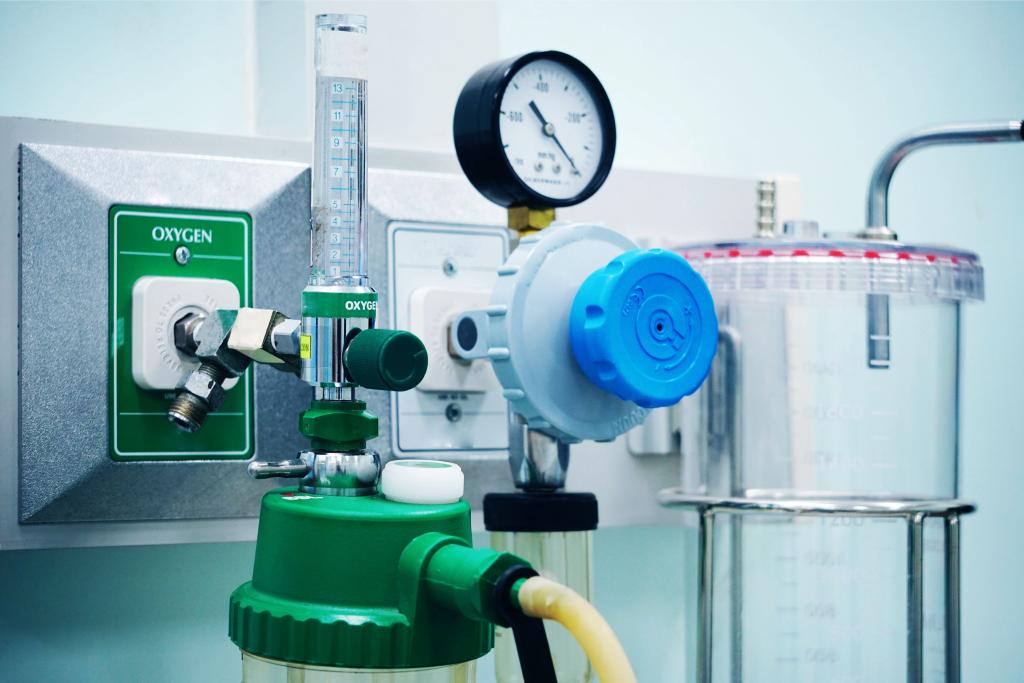
Medical gases such as oxygen, nitrous oxide, nitrogen, and others serve essential functions within healthcare facilities. Although these gases can help save lives, that’s only possible if technicians and caregivers use them in the proper manner. One of the most important safeguards for ensuring the responsible and appropriate use of medical gases is the information printed on their canisters. Knowing how to read a cylinder containing medical gas is critical for ensuring safe handling and usage. By reading the standardized information contained on their labeling, users can make sure they protect the safety of patients as well as everyone around them.
What Is a Medical Gas Cylinder?
Medical gas cylinders are pressurized containers that hold gases used for treatment. They may contain compressed or liquified gas, and are used in a variety of medical environments including hospitals, clinics, and home care setups. Because these tanks are pressurized and may contain potentially harmful gases, they require strict labeling and proper handling techniques.
Key Components of a Medical Gas Cylinder
The main components that make up a typical medical gas cylinder are:
- Cylinder body, which is the tank containing the compressed or liquified gas
- Valve and regulator connection, which enables the tank to be connected to the medical gas system
- Shoulder, which is the area at the top of the cylinder body just below the valve and regulator connection
- Label, which is either affixed to or stamped onto the cylinder’s shoulder and contains all the critical information about its contents for safety and traceability
How to Read a Medical Gas Cylinder Label
A medical gas cylinder label should include the following information according to FDA and NFPA 99 standards:
1. Gas Identification: This includes the name of the gas and its composition. This must be clearly printed on the label and easily readable as required by regulations to prevent mistakes.
2. Color Coding: In most circumstances, the label also will be color-coded to make identifying gas cylinders by sight easier and faster. Although cylinders are often painted to match the color code, technicians should never use the color of the cylinder itself as the only identifier. They should always confirm the contents by comparing the color to the other information on the label. Standard designation color codes are:
- Medical air — Yellow Background, Black Text
- Carbon dioxide — Gray Background, Black Text
- Helium — Brown Background, White Text
- Nitrogen — Black Background, White Text
- Nitrous oxide — Blue Background, White Text
- Oxygen — Green Background, White Text
- Instrument Air – Red Background, White Text
- Mixtures/blends — Colors that correspond to each gas within the mixture
3. Safety Information: Labeling for medical gas cylinders also must include warnings and handling and instructions specific to the gases contained within them. This also may include hazard classifications such as noting whether the gas is flammable, toxic, or may pose a risk to patient safety if the system fails.
4. Supplier Information: This includes the name of the gas supplier as well as the contact details. This is critical for traceability.
How to Read Cylinder Stamp Markings
In addition to the information contained on the label, medical gas cylinders also will have information permanently stamped into the metal along their shoulders. This information should include:
1. DOT Specification: This refers to the manufacturing standard and material used in the cylinder’s construction.
2. Service Pressure: This details the maximum safe pressure for the cylinder, expressed in terms of PSI. This is important for understanding the maximum fill level, which depends on the canister’s size. Knowing the maximum pressure helps ensure tanks won’t run out during use. A plus symbol next to this figure indicates the tank is strong enough to be filled past standard pressure.
3. Serial Number: The serial number provides an added level of traceability along with the information about the supplier.
4. Manufacturer Code: An alphanumeric code is used to denote the manufacturer or current owner of the cylinder.
5. Hydrostatic Testing Date: The date stamped on the shoulder refers to the last time the cylinder was tested for structural integrity. Although the standard testing interval is five years, a star next to the date means the cylinder tested well enough for that to be extended to 10 years.
Why Proper Cylinder Identification Is Critical
Common medical gases such as oxygen, nitrogen, and carbon dioxide have their own unique applications in healthcare settings as well as their own specific safety requirements. Proper identification is essential because it ensures caregivers can prevent:
- Administering the wrong gas to patients
- Increased risk of explosion or fire
- Damage to equipment designed for a specific gas
- Harm to patients
Common Mistakes When Reading Medical Gas Cylinders
Some of the most common errors technicians can make when referring to medical gas cylinder labeling include:
- Relying on the color of the cylinder alone without verifying
- Ignoring expiration or hydrostatic testing dates
- Misreading pressure ratings
- Using obviously damaged or unlabeled cylinders
Best Practices for Safe Handling
Whenever medical gas cylinders are used in a healthcare setting, it’s important for those handling them to follow some basic best practices:
- Always check the label before using
- Verify the type of gas every time
- Inspect the cylinder’s condition and don’t use it if there are signs of damage or missing information
- Ensure the proper storage and transport according to the cylinder’s contents
- Follow all facility compliance protocols at all times to ensure safety as well as legal adherence
How Evergreen Medical Services Supports Medical Gas Safety
As experts in the safe usage and handling of medical gases, Evergreen Medical Services is a trusted partner for healthcare providers. We offer gas system testing, compliance audits, environmental monitoring, and staff training support that ensures medical gas systems are used as safely and appropriately no matter what the application. Our expertise enables us to help clients train their staff so they catch all the details found on cylinders to prevent potentially dangerous errors.
To learn more about everything Evergreen Medical Services can do for your operations, reach out and speak with a member of our team today.